Why top-tier brands won’t be touching AI gen’ed music
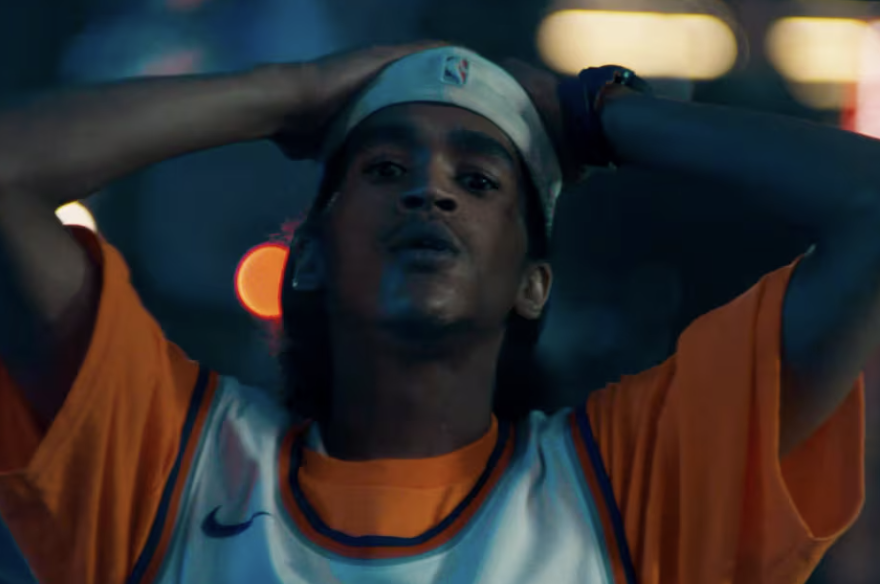
Nike’s latest slice of genius advertising to the sound of Billy Joel’s “New York State of Mind”.
We’ve all seen the demos and even tried generative music platforms like Suno to see what all the fuss is about. With a few keystrokes into a prompt box, a piece of software spits out a pristine, competent three-minute track. It mimics the cadence of a Motown baseline, replicates the shimmer of an indie-pop synth, or clones the atmospheric dread of a cinematic score. Instantaneous, infinite, mathematical and remarkably cheap for what it does.
What is AI Music, Really?
To the uninitiated, generative AI music feels like magic. In reality, it is a sophisticated mirror. Platforms train massive neural networks on vast catalogs of existing human music, breaking down songs into fragmented data points of rhythm, harmony, timbre, and lyrical structure. When given a prompt, the AI doesn’t "create" in any traditional sense; it predicts. It calculates the statistical probability of what note should follow another based on the historical data it has consumed.
The result is a flawlessly….It sounds like music, it looks like music, but it is fundamentally a collage of ghosts. It is an echo chamber built on the stolen labour of the past and compressed into an instant file download.
But if you look at the upper echelons of brand campaigns that matters, the heritage fashion houses, the artisanal watchmakers, premium car giants, lifestyle staples who trade both in legacy and utility, the general response to generative AI music is one that doesn’t align with their overall ethos, as we’re still seeing and will continue to see big, expensive campaigns with famous songs and shazam’able artists.
The Void in the AI Slop…no music back story = no emotional connect
Branding is an exercise in emotional architecture. A top-tier brand, for example, doesn’t sell a product, it sells an identity, a mood, a slice of a life better lived. Music is the invisible thread and magic that bind those abstract concepts to humans, it’s an emotional anchor.
And that’s exactly where the algorithm bottoms out. AI can chart the math of a sad chord progression or a triumphant crescendo, but it doesn't actually know how to feel. It misses the messy, unpredictable friction of being alive. When a real person walks into a studio, they’re bringing their life experiences to capture something unique. The magic is usually captured in the flaws, the ever-so-slightly off-time drum, the raw expressive vocal emotions etc….y’know, human stuff!
Why do brands like Apple, Nike, or Saint Laurent spend millions licensing tracks from legendary artists or commissioning bespoke scores from contemporary visionaries? Because human curation is the ultimate flex.
When a brand uses a track by a real artist, whether it’s an obscure 1970s psych-rock or a brand-new track from an avant-garde electronic producer, it is participating in cultural currency. It shows that the brand has taste and is clued in with what’s going on, i.e it’s aligned with human subcultures and authentic creative communities.
Furthermore, human music carries a socio-political weight that AI can never replicate. A brand aligning with a living, breathing artist is backing a human narrative. They are buying into that artist's ethos, their style, and their worldview. AI has no worldview; it has a terms of service agreement.
The Future of Noise and Nuance.
As we move deeper into the automated age, the sonic landscape will inevitably bifurcate. The baseline noise of the world, the music in grocery stores, elevators, cheap mobile games, and mid-tier infomercials, will be wholly consumed by generative AI. It will be cheap, hyper-targeted, and entirely forgettable.
But this bleak, algorithmic noise floor will only elevate the value of the genuine article. For premium brands, the future of music lies in radical authenticity. As the world becomes saturated with synthetic "slop," the act of hiring a real composer, recording a live string section in a physical studio, or licensing a rare vinyl track will become the ultimate status symbol.
The premium brands of tomorrow will not survive by saving money on production; they will survive by proving they still possess a soul. And in the battle for the human heart, a prompt box will always lose to a person.