How Freddie Mercury, Ryuichi Sakamoto and the Grateful Dead drove the Barcelona brand globally
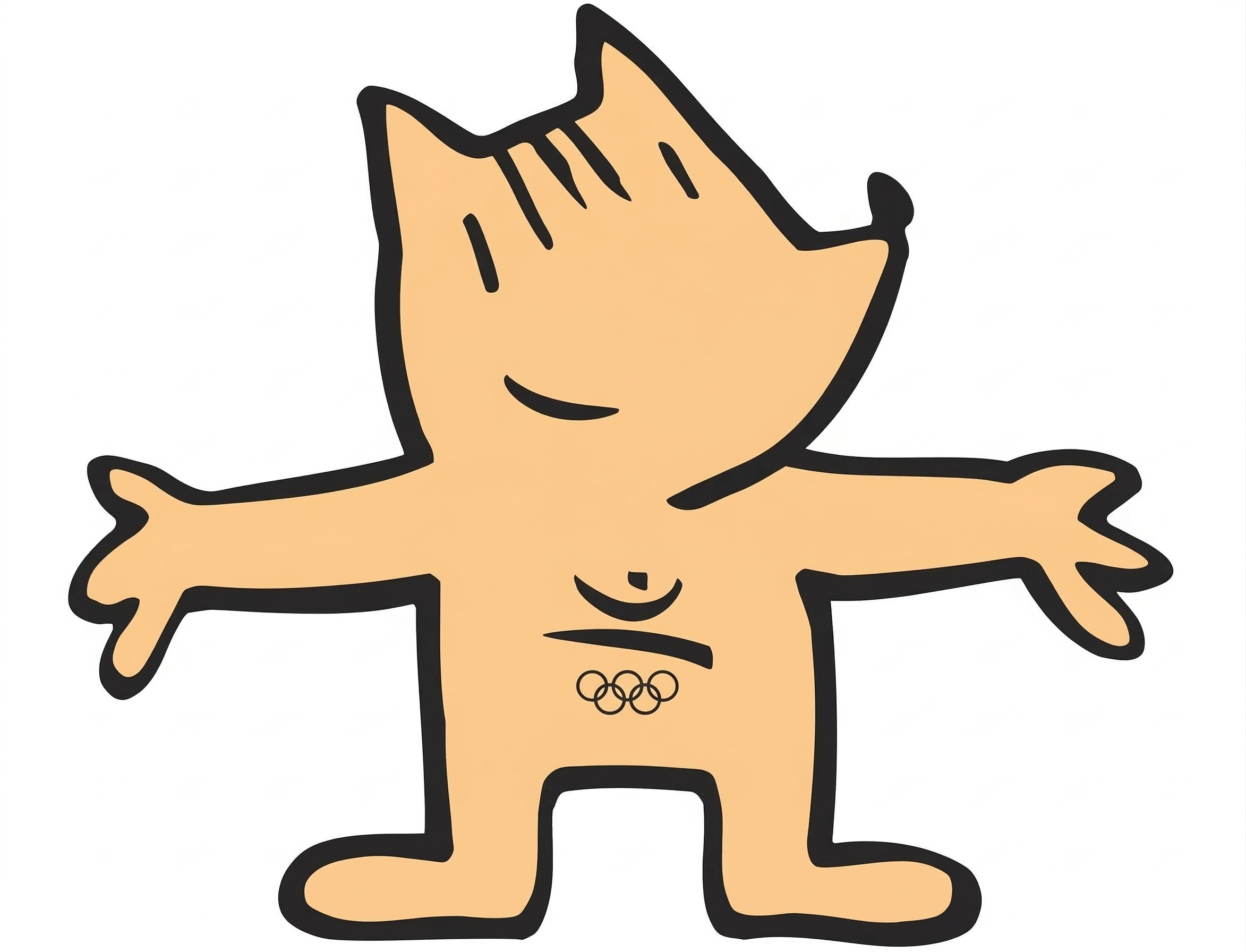
It’s 1992. The world is changing fast with the thawing of the Cold War, a new global optimism is in the air, and Barcelona, an industrial Mediterranean city often overshadowed by Madrid, is about to step onto the world stage after an intensive four-year clean-up operation to welcome the Olympic Games.
This wasn't just another Olympics. It was a landmark moment for a full-scale city rebranding, where Barcelona definitively proved that a well-crafted audio blueprint wasn’t just entertainment, but a strategic catalyst for global identity.
Some of the defining musical moments at the time included….
Montserrat Caballé & Freddie Mercury
The ultimate sonic branding victory of '92 was, undoubtedly, "Barcelona". By pairing the traditional power of opera (Caballé) with the stadium rock energy of Freddie Mercury, the song perfectly articulated Barcelona's dual identity: ancient yet dynamic, Catalan yet global. Even though Freddie had passed eight months prior, his voice was the ghost in the machine, a high-voltage reminder that Barcelona was now a city that embraced the rock world as much as its own operatic legends.
Ryuichi Sakamoto
While the world remembers the anthems, the true sonic foundation was laid by the late, great avant-garde Japanese musician, composer, keyboardist, record producer, singer and actor, Ryuichi Sakamoto. Sakamoto, known globally for his hit “Merry Christmas, Mr Lawrence”, was commissioned to compose and conduct the music for the "Mediterranean" segment of the opening ceremony. His composition, "El Mar Mediterrani," was a masterclass in tension and release.
It didn't just provide "incidental music"; it acted as a psychological guide for the audience, transitioning the city’s brand from a sleepy Mediterranean port to a high-tech, high-culture powerhouse. It was the first time an Olympic ceremony felt like a cinematic experience rather than a parade.
The Grateful Dead x Lithuania’s Basketball Team
One of the most unique and legendary music-to-brand moments in history happened off the podium. The newly independent Lithuania was broke and couldn't afford to send its basketball team to the games. Enter Jerry Garcia and the Grateful Dead. The band didn't just cut a large cheque, they sent a box of neon tie-dyed uniforms featuring a dunking skeleton (the "Skullman"). When the Lithuanians beat the Russian "Unified Team" to take the bronze, they stood on the podium in those shirts. It wasn't just a win for a team; it was a global branding masterstroke that linked a new nation’s struggle for freedom with the counter-culture spirit of the Dead. It proved that a well-placed partnership from the heart can create a legacy that outlasts the gold medal itself, which at the time went to American’s iconic “Dream Team”.
Why '92 Changed the Strategy for Cities
Barcelona ’92 proved that music was a powerful brand strategy and taught cities like London, Rio, and Tokyo that you don't just show off your culture, you curate it.
The games shed the "stuffy" Olympic image and became a hub for innovation, artists and creators. Cities realised that to be remembered, you need a soundtrack that spans from the boardrooms to the trenches.
London 2012
Following on from Barcelona, the London Olympics (2012) showcased their brand, legacy and homegrown musical talent with live performances from Paul McCartney, Arctic Monkeys, Queen, The Who, Liam Gallgaher etc. Could it have been any cooler?
Rio 2016
Rio faced massive pre-Games negative press regarding safety and infrastructure. They used music as Soft Power to change the narrative. The Strategy: Use the universal language of rhythm to broadcast "Joie de Vivre" (the joy of living) to distract from political unrest. The Moment: The "Girl from Ipanema" segment featuring Gisele Bündchen and the evolution of Funk Carioca and Samba. The Result: It rebranded Rio as a sensory destination. They proved that even in crisis, a city with a pulse (and a bossa nova baseline) remains irresistible to the human animal.
Tokyo 2020
The Tokyo Olympics drew heavily on its world-leading video game culture by featuring scores from block busters likeFinal Fantasy, Dragon Quest, Sonic the Hedgehog, etc. during the athlete parade. This was a masterstroke of fractional curation by tapping into the nostalgia of the global "Gen X and Millennial" audience who grew up on Japanese consoles. It framed Tokyo as the global HQ for the "Digital Maverick," moving the brand from "Business/Corporate" to "Innovation/Play."
Takeaway
Barcelona ’92 led the way in proving that when it comes to city branding, music is the strongest strategy. At Light On, we obsess over these high-voltage intersections. We don't just build music partnerships; we look at how sound shapes human emotion and perception towards 360-degree brand messaging.