Carharrt - From the railroads of Detroit to the musical global underground.
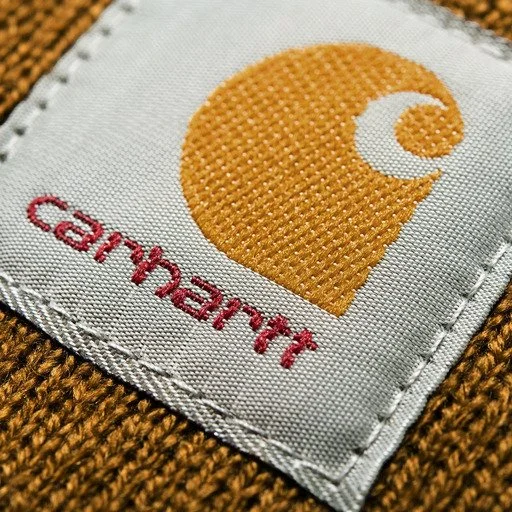
Beginnings and 1980s adoption:
Founded by Hamilton Carhartt in 1889 in Detroit, Michigan, Carhartt spent nearly a century as the literal backbone of the American blue-collar worker. It was designed for the railroad with the factory's heavy-duty duck canvas and triple-stitched seams built to survive the harshest conditions.
In the 1980’s, its durability, functional pockets, and baggy, oversized style were starting to be embraced by East Coast urban youth, skaters, and rappers for a rugged, anti-establishment look. From the streets of New York and Detroit, early Hip-Hop pioneers adopted the cost-effective Carhartt Active Jacket and the Siberian Parka to the point that the brand started showing up on album covers.
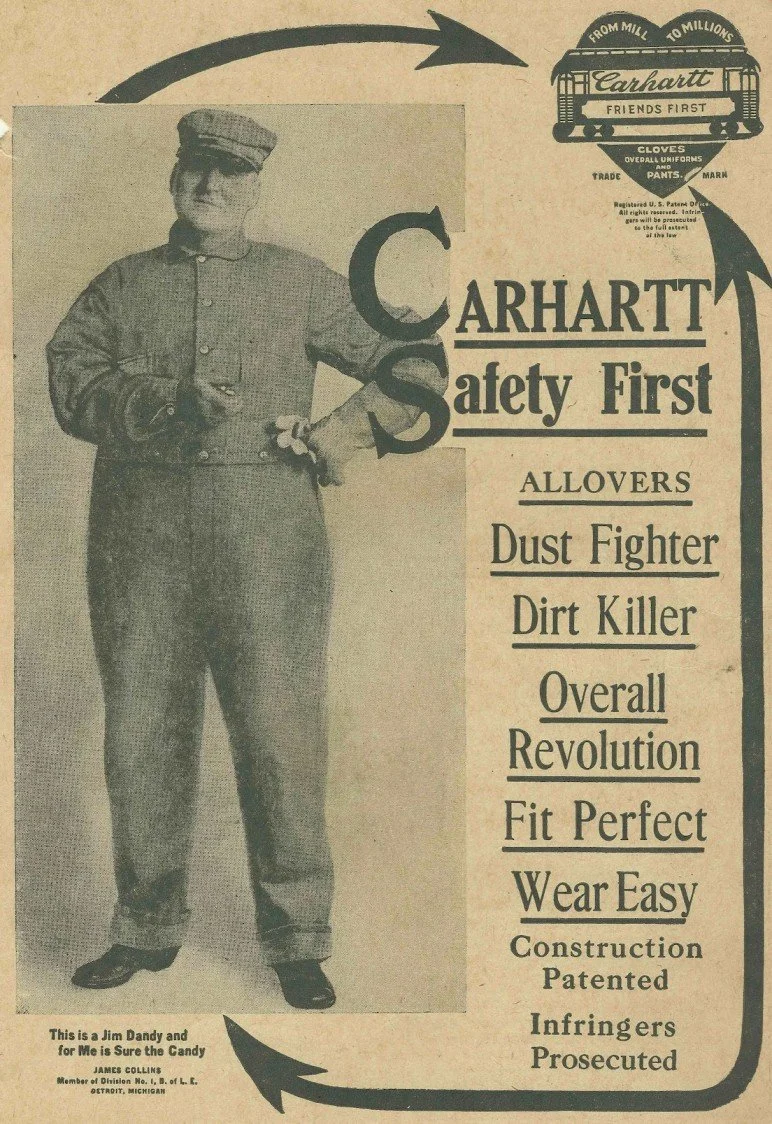
1990s and Hip-Hop’s Golden Era & WIP:
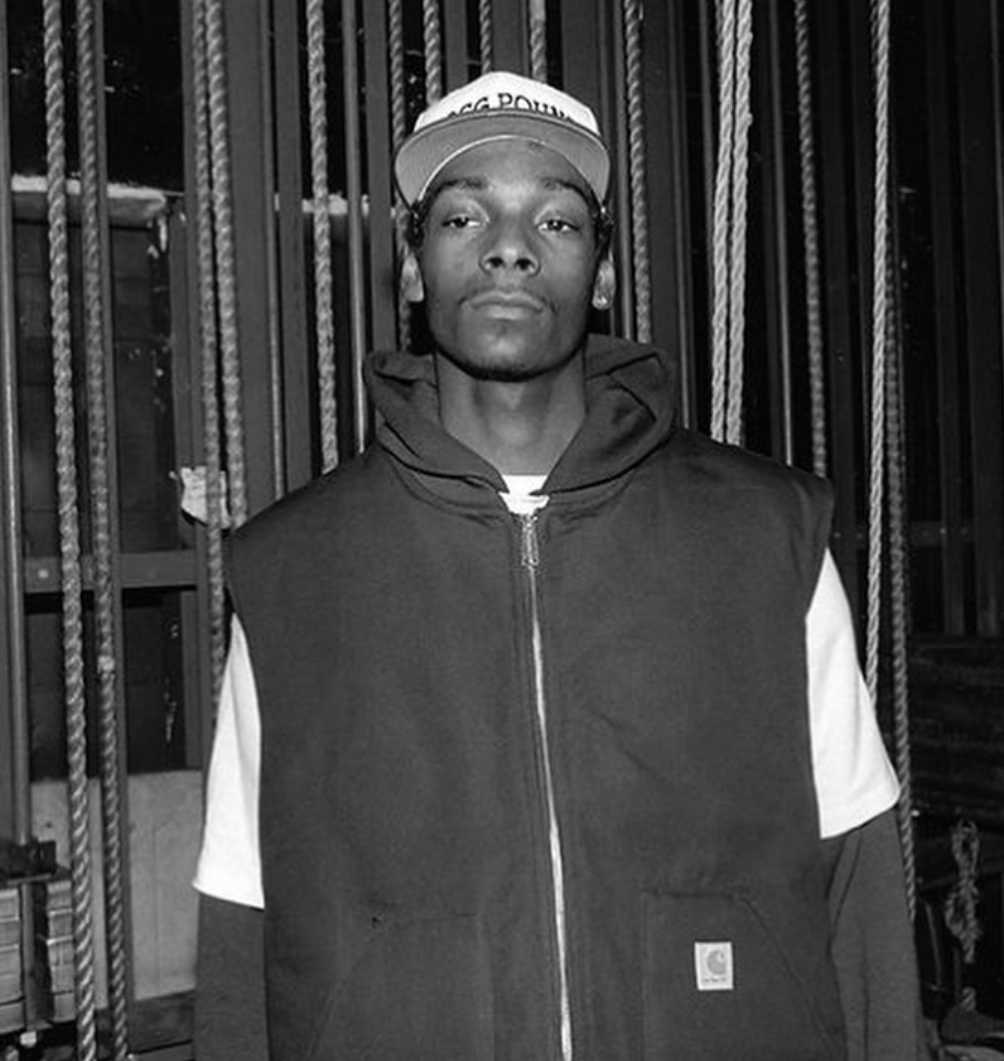
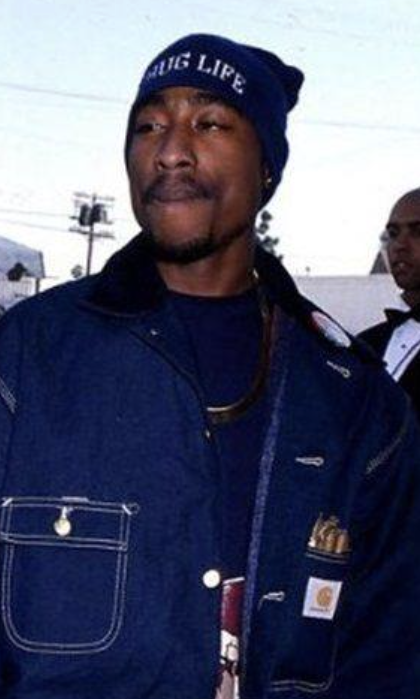
If the '80s were about the raw utility of the Detroit original, the '90s were when Carhartt was christened as the official silhouette of the Golden Era. In the US, the brand became synonymous with Wu-Tang Clan, Snoop Dogg, and Tupac Shakur. The oversized, boxy fit of the B01 Carpenter Pant became the visual shorthand for East Coast rap.
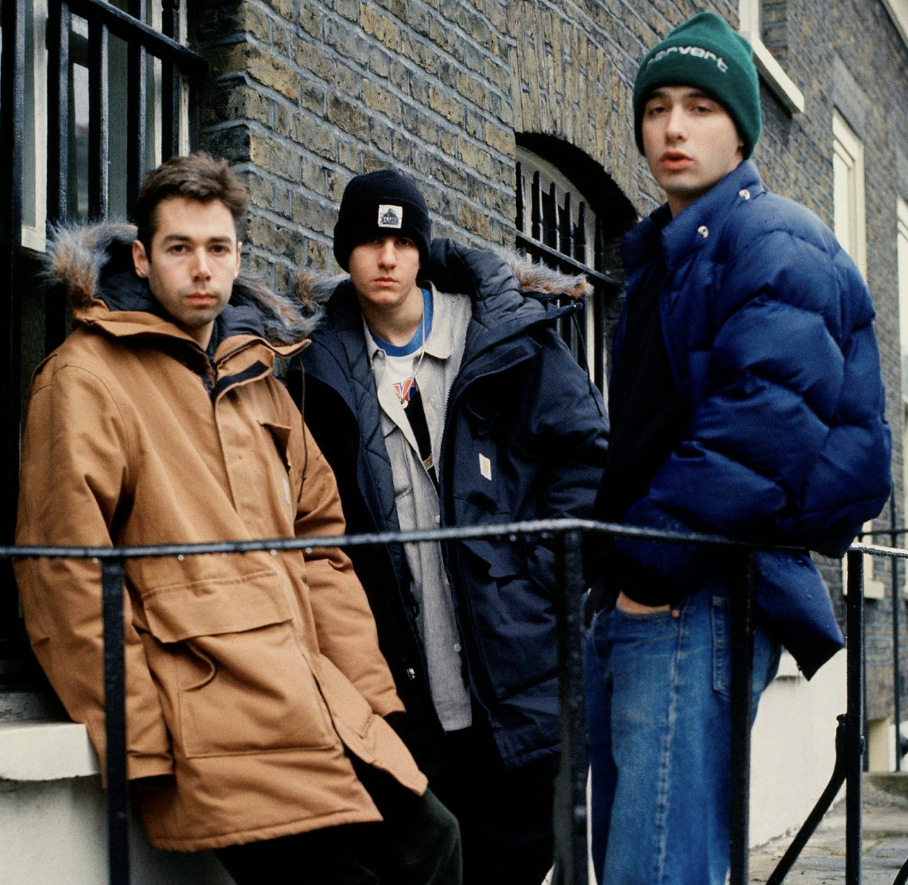
Across the Atlantic, a pivotal shift occurred. Edwin Faeh began importing the brand to Europe, eventually launching Carhartt WIP (Work In Progress). This refined, slightly slimmer European cut bled directly into the London underground and the Berlin techno scene. While the original brand was still dressing Michigan welders, WIP was being adopted by the European skate and DJ culture. The brand’s "Brown Duck" canvas became as ubiquitous in the clubs of Shoreditch and Mitte as it was on the building sites of Brooklyn. By the mid-90s, the brand was a cross-genre classic, worn by everyone from Beastie Boys to the pioneers of the UK Trip-Hop scene.
2010s: Modern Heritage, The A$AP Effect and Moodymann
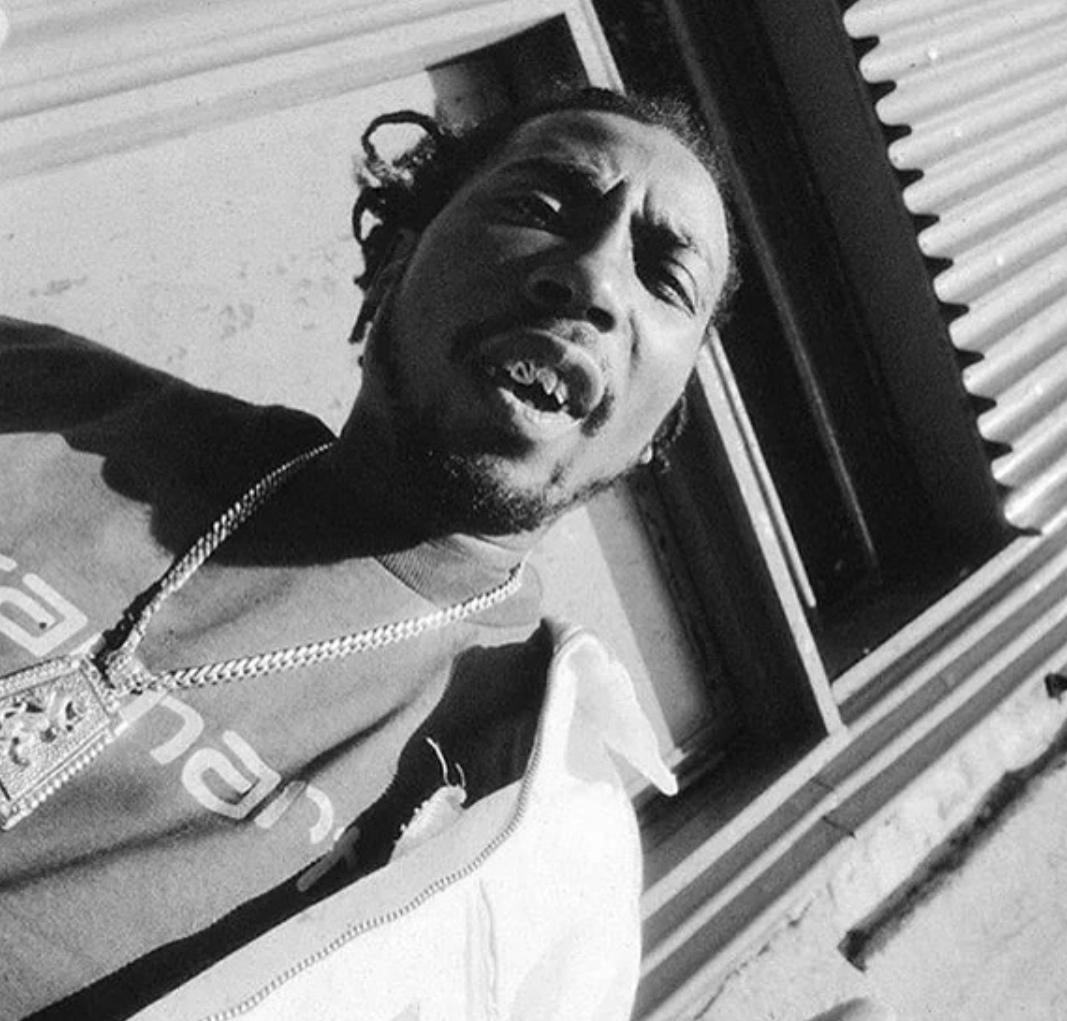
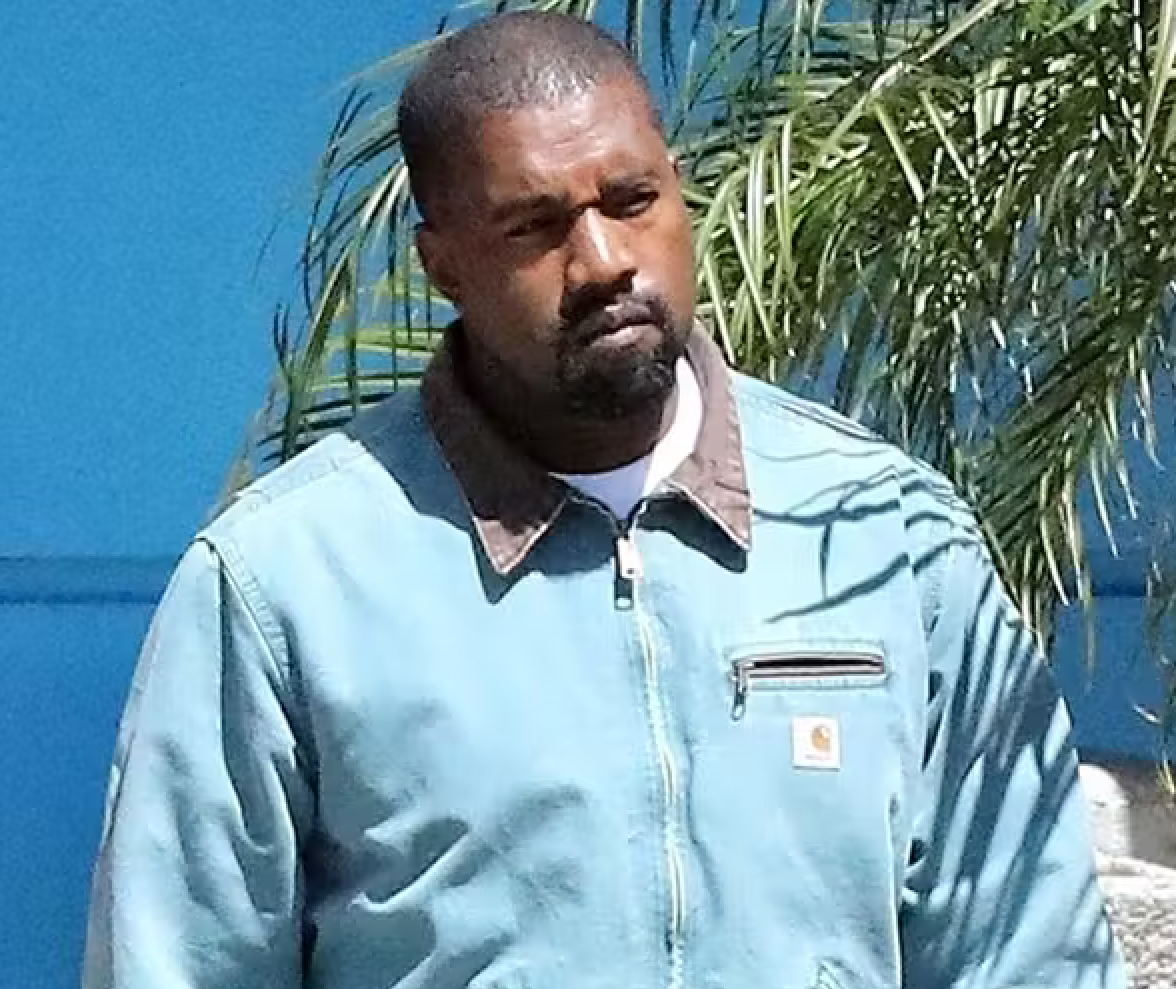
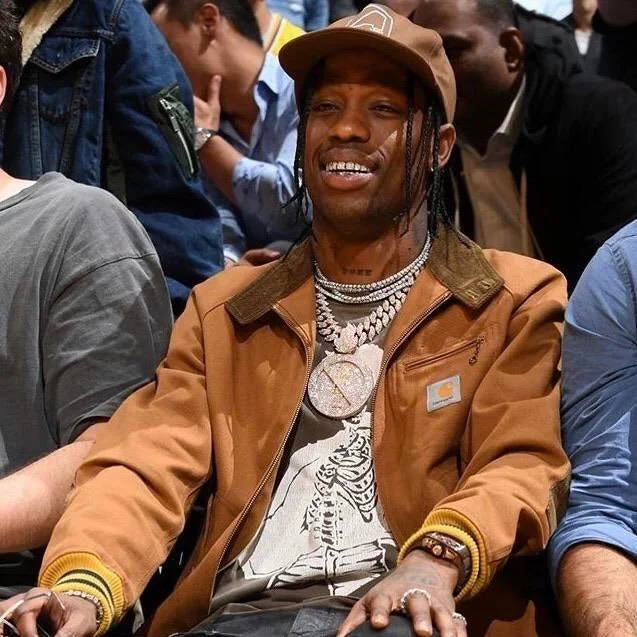
While the baggy silhouettes of the '90s faded, Carhartt found a new, high-fashion audience through the lens of "Modern Heritage." Artists like A$AP Rocky, Kanye West, and Travis Scott began mixing vintage, beat-up Carhartt work jackets with high-luxury pieces. This "Workwear-as-Luxury" trend brought the brand’s 130-year history to a whole new generation of digital-native fans.
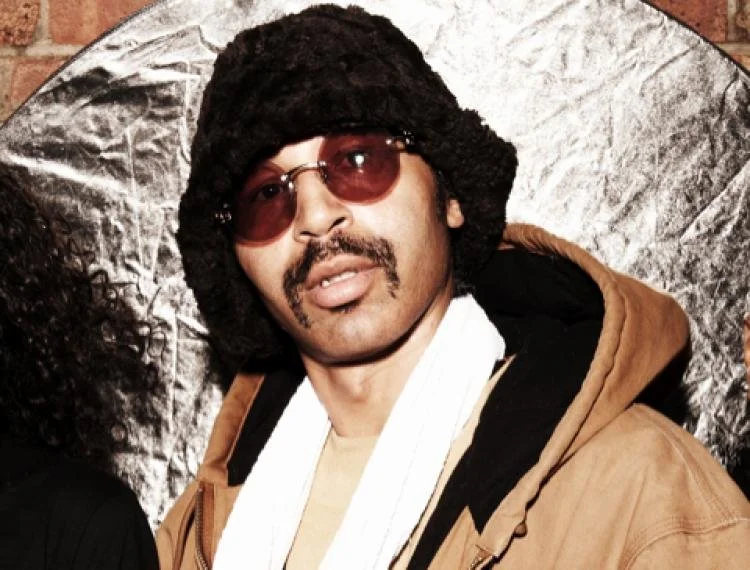
Released in February 2016, this was a high-water mark for "Cultural Intelligence" in branding. Carhartt WIP didn't just pick a famous DJ; they picked Kenny Dixon Jr aka, Moodymann, the enigmatic heart of Detroit’s house and soul scene.
The collection featured a long-sleeve tee, a classic Detroit Jacket with a "Mahogani Music" embroidery, and a bespoke UDG DJ Bag specifically designed to hold 7-inch vinyl records.
The impact wasn't marketed to the masses. It was a "secret handshake" for the global underground. By aligning with Moodymann, Carhartt proved they understood the grit and mystery of the Detroit sound, moving the brand away from "general streetwear" and into the realm of curated cult status.

2019: The Motown 60th Anniversary Collaboration
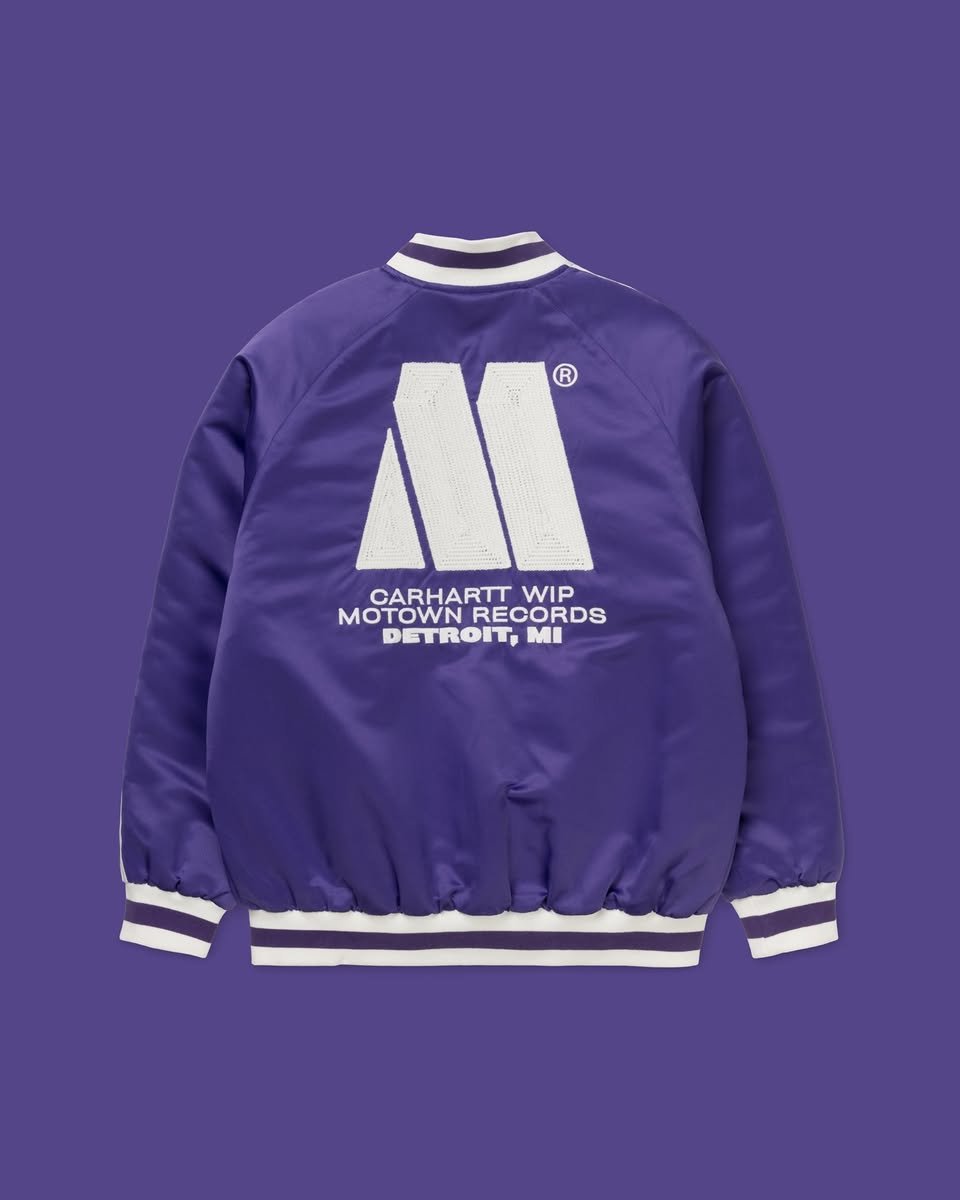
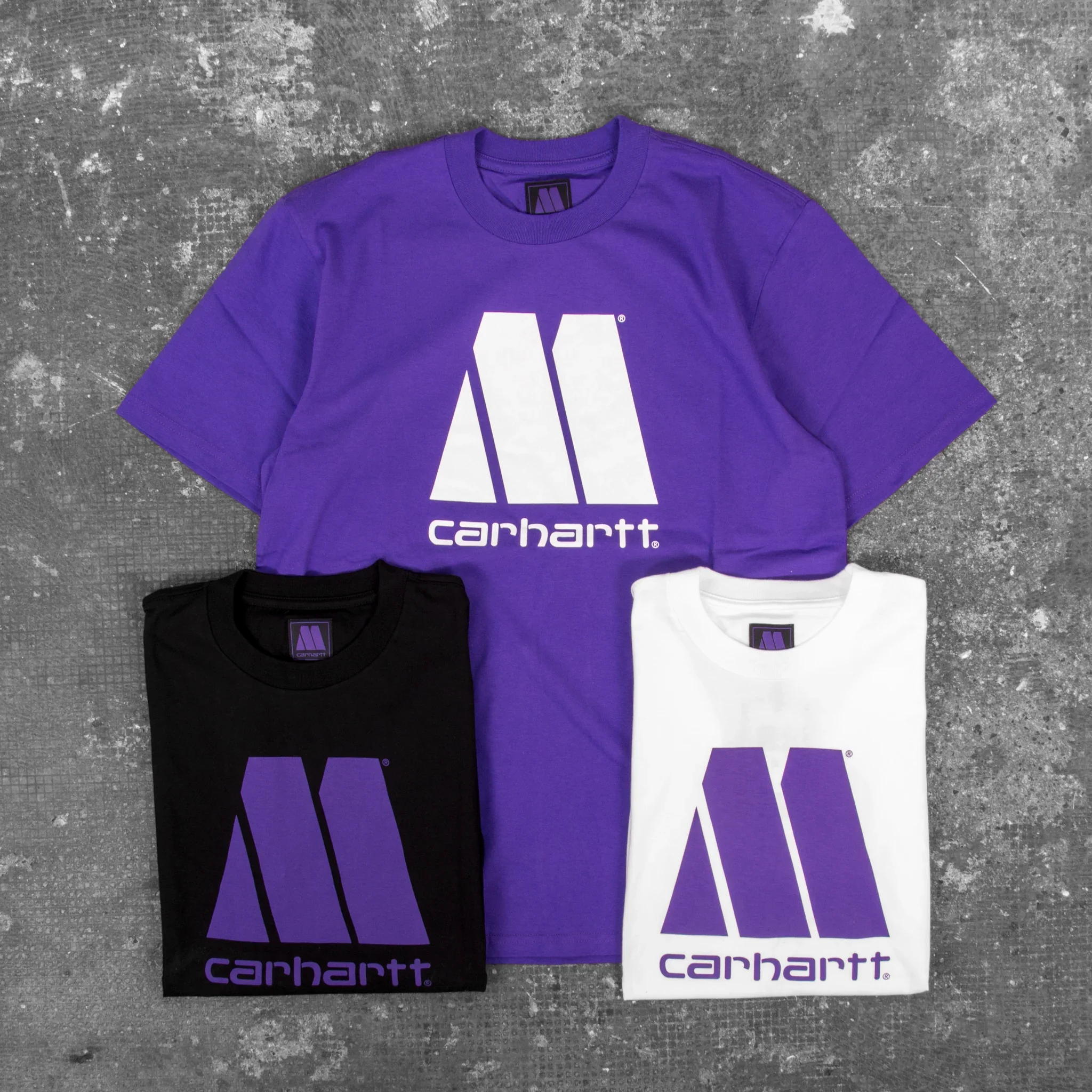
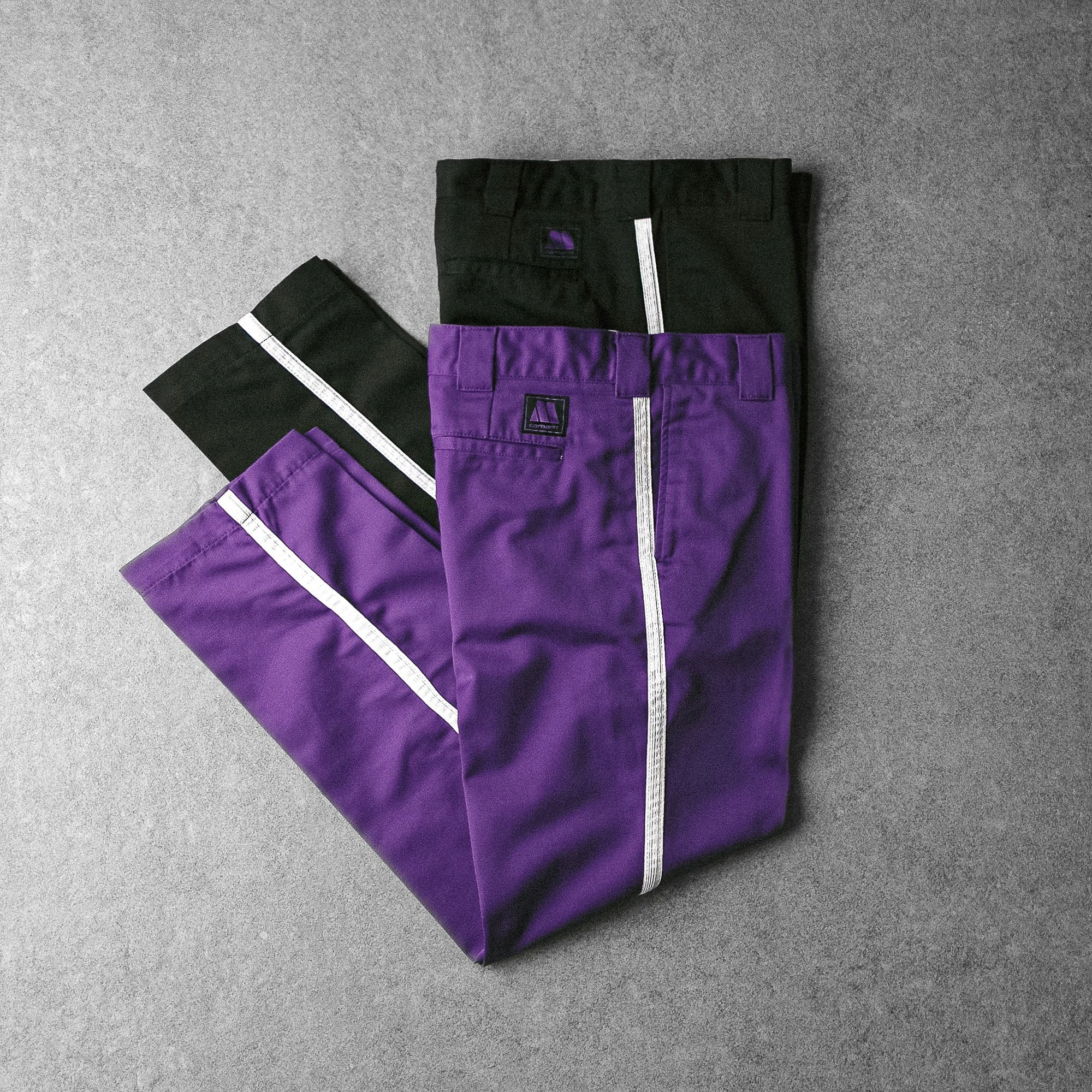
To celebrate six decades of the most influential record label in history, Carhartt WIP released a capsule collection in November 2019.
The Collection: A 13-piece capsule that drew heavily from Motown’s archival imagery. It included the Siberian Parka and the Single Knee Pant, alongside a co-branded Phonograph (record player).
The Strategy: This was about "Modern Heritage." It linked the 130-year history of Carhartt’s workwear with the 60-year history of the "Sound of Young America." It framed Detroit not just as a city of factories, but as a global powerhouse of creativity.

2020s: Carhartt WIP Radio & The Global Underground
These days, the brand has formalised its relationship with music through platforms like Carhartt WIP Radio, a monthly series that shines a light on independent labels and underground DJ culture. The philosophy is simple: support the scenes that supported the brand.
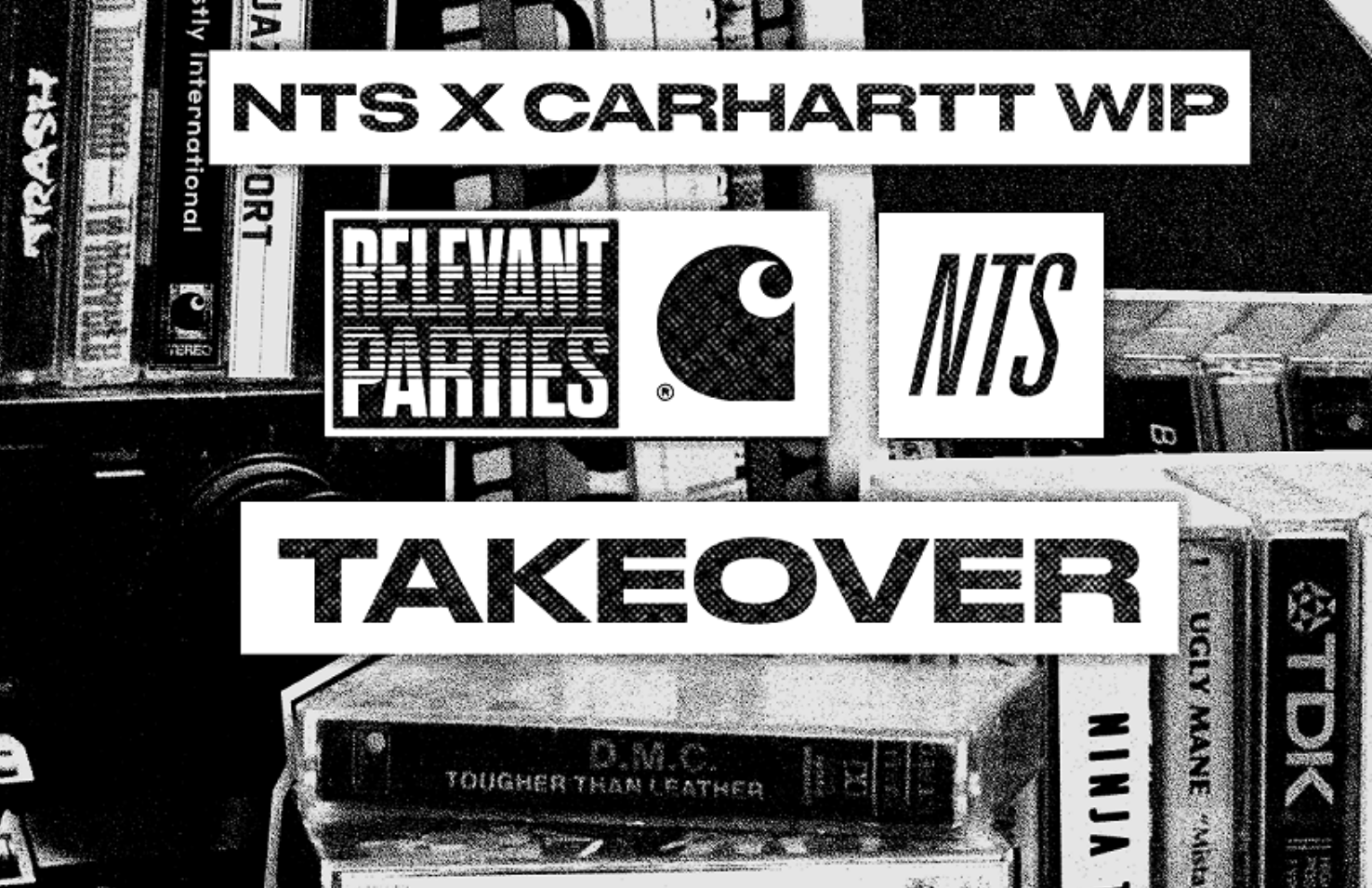
Instead of chasing the Top 40, they partner with institutions like NTS Radio or the Dekmantel Festival in Amsterdam to curate deep-dive musical experiences. In 2024 and 2025, they’ve doubled down on this "Community as Research" model, focusing on the producers and the record store owners—the people who actually build the culture. From Peggy Gou (a fan of both Stone Island and Carhartt) to the new wave of UK Jazz and Detroit Techno, the brand treats its musical partners as collaborators in a shared industrial legacy.
130 years: Still going strong!
Carhartt has stayed relevant for 130 years because it understands that authenticity cannot be manufactured; it can only be curated. The brand’s clothing is manufactured for hard-wearing while being cost-effective, which worked perfectly with music coming straight out of the streets in the 1980s/90s. Whether it’s a techno pioneer in Detroit, an East/West Coast Rapper, a Grime MC in London or Berlin-based electronic artist, they wear Carhartt because it is honest.
At Light On, we thrive at this specific crossroad of industrial heritage and underground credibility. While many agencies chase the fleeting "noise" of a viral moment, we focus on sonic durability. We act as the strategic filter between the corporate boardroom and the global music industry, ensuring that your brand’s musical associations aren't just "influencer placements," but deep-rooted cultural assets.