Stone Island - From the Paninari to Britpop, to the heights of Rap.

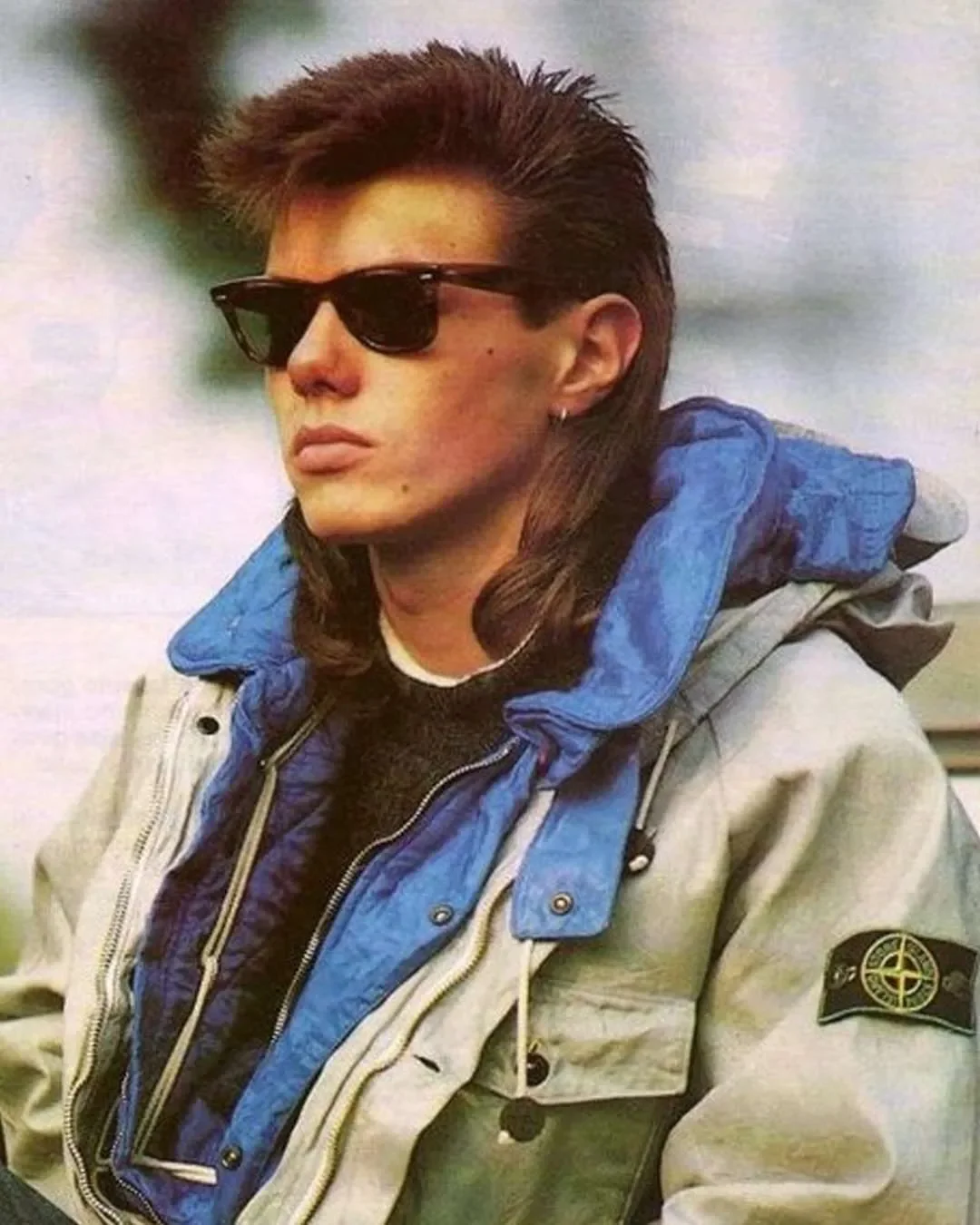
1980s: Beginnings, Italo-Pop & The Paninari
Founded by designer Massimo Osti in 1982 in Ravarino, Italy, Stone Island quickly became a homegrown cult that was celebrated for its high-end technical production that fused military, nautical, streetwear and sportswear influences.
The first real musical "sighting" wasn't as cool as expected, but the glossy Italo-pop trio Ricchi e Poveri wore Stone Island on stage in 1983 because it looked like the future, technical, bright, and expensive, giving it an air of exclusivity. Around the same time, the Paninari, Italy’s first true "hypebeasts", were gathering at Milan’s Al Panino sandwich bars.
They were obsessed with Americana and synth-pop. For them, a Massimo Osti-designed jacket was the ultimate status symbol. Music wasn’t a marketing plan yet, but more so the atmosphere that the Stone Island brand breathed.

1990s: Terrace Culture & Madchester
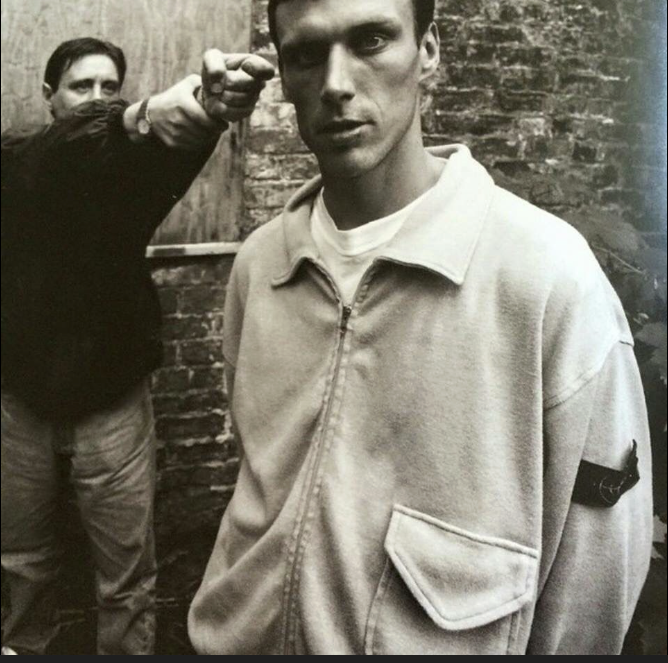
If the '80s were about the Paninari’s polished Milanese obsession, the '90s were when Stone Island was christened as the unofficial armour of British youth culture.
When English football fans travelled to Italy for away games, they brought back "Stoney" jackets as status symbols both for fandom and for having the means to travel abroad from a country just getting out of recession.
That look bled directly into the acid-house soaked Haçienda club and the early style-conscious Madchester scene, with the brand becoming ubiquitous both on the terraces and in clubs.
The brand’s innovative use of reflective materials, heat-responsive fabrics (like the Ice Jacket), and metallic nylon shimmers fit perfectly with the psychedelic and futuristic aesthetic of strobe-lit warehouses.
By the mid-90s, Brit-pop was ruling the airwaves, and everyone from Oasis, Happy Mondays, Johnny Marr (The Smiths), and the Stone Roses were ambassador of choice for the brand, further cementing it as a cross-genre classic.

2010s: Grime & Drake
While UK garage and Britpop had long lost their 90’s shimmer, Stone Island found a new gritty audience in the shape of UK Grime.
Artists like Skepta and Kano wore the badge as a sign of musical propriety, as well as being high-end streetwear aficionados. For a long time, however, North America didn't “get" Stone Island.
That changed rapidly when Canadian mega-star Drake started to obsess over UK culture as well as his association with Skepta’s “Boy Better Know” collective. He adopted the brand as his own, wore a massive blinged-out custom-made Stone Island chain and brought the brand’s cult status back home with him to a whole new audience.
Unlike other brands that would have jumped at a formal endorsement, Stone Island kept it at arm's length. They let the rappers like Jay-Z and Travis Scott buy the clothes. This "gatekept" cool made the brand stand out; it felt earned, not gifted.


2020s: Stone Island Sound

Today, the brand has finally moved into "official" music marketing, but in a way that feels like a laboratory experiment.
Stone Island Sound: They’ve partnered with the C2C (Club To Club) Festival in Turin to curate "avant-pop" and experimental electronic music. The philosophy behind the partnership is "Sound as a Form of Research." Just as they experiment with $155$ degrees of dye, they curate "irregular" sounds that push boundaries.
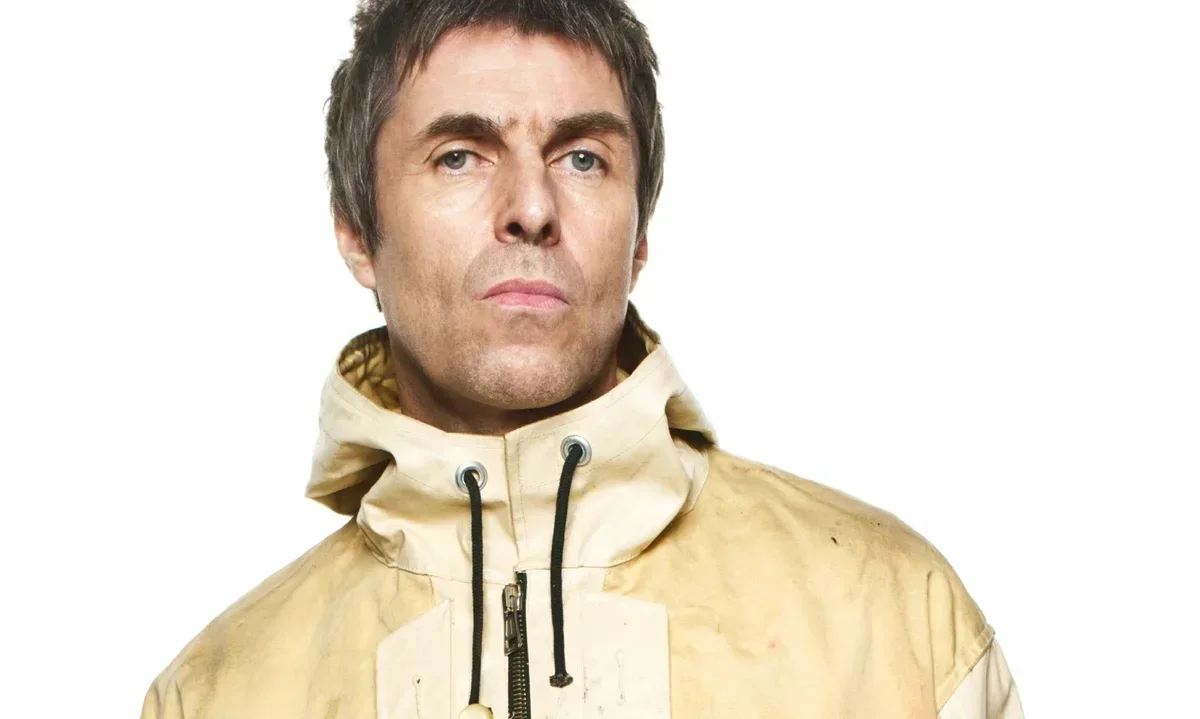
In 2024 and 2025, Stone Island launched a massive global campaign that treated its famous fans not as models, but as "research subjects." They took the musical heavy hitters of the last 30 years and put them in front of a white backdrop to let the gear (and the personality) do the talking. Everyone from Liam Gallagher, Peggy Gou, Earl Sweatshirt, Giggs, etc. featured in a campaign with a heavy focus on quality.



Who next?
Staying relevant since the 1980s is no mean feat considering the shift in ATL/BTL marketing platforms, social media, economic and demographic changes, combined with music’s evolution globally in terms of audiences, genres, mediums and distribution. The brand's natural adoption is heavily based on both its heritage, the construction of its clothes based on research of new fabrics and materials, combined with early adoption from youth culture movements that cherished high Italian innovation.
Who’ll be wearing Stone Island in 10 years time? Cutting-edge urban-born music and youth culture as per usual.
At Light On, we operate at the exact centre of this high-stakes intersection. We mirror the Stone Island ethos of Ricerca (Research) by acting as the strategic bridge between the boardroom and the global music scene with a focus on groundbreakers. We believe in building the sonic foundations that allow brands to resonate across the same decades-long timelines we’ve seen with the compass badge.