The Trending Audio Trap: Why Major Brands Are Getting Sued For Millions On Social Media
For the last few years, corporate social media teams have been treating TikTok and Instagram Reels like a digital Wild West. The formula went like this: find a trending sound, drop it under a product video, watch the views roll in, and all for free without paying for the music.
This is highly illegal, and while some brands are so big they’ve played endless lawyer games or know some artists/labels will never be able to afford to sue them, the music industry's patience has officially run out.
Here's the reality check nobody is giving their creative team:
That trending audio library inside your app? Those licences cover personal creators. The moment a brand uses a copyrighted track to sell a product, promote an activation or build brand equity, that's pure commercial use. That requires a synchronisation licence and a master licence. No exceptions. No grey area.
The AI bots are already scanning. And winning.
If you think your brand is too small to get caught, or that a 15-second Reel will slip through the net, you're operating on outdated information.
Universal, Sony and Warner are deploying AI copyright scanning tools across every major social platform. 24 hours a day. They're not sending polite cease-and-desist letters anymore. They're filing multi-million dollar lawsuits. Newer players like Third Chair have the tech to chase up unlicensed music usage going back years and at large scale.
Here's an example of what's happening right now:
Warner Music Group vs. Crumbl Cookies - $24 million.
WMG sued the dessert brand for what they described as massive-scale copyright infringement across TikTok and Instagram. 159 unauthorised tracks. Artists including Dua Lipa and Lizzo. A settlement was just reached behind closed doors.
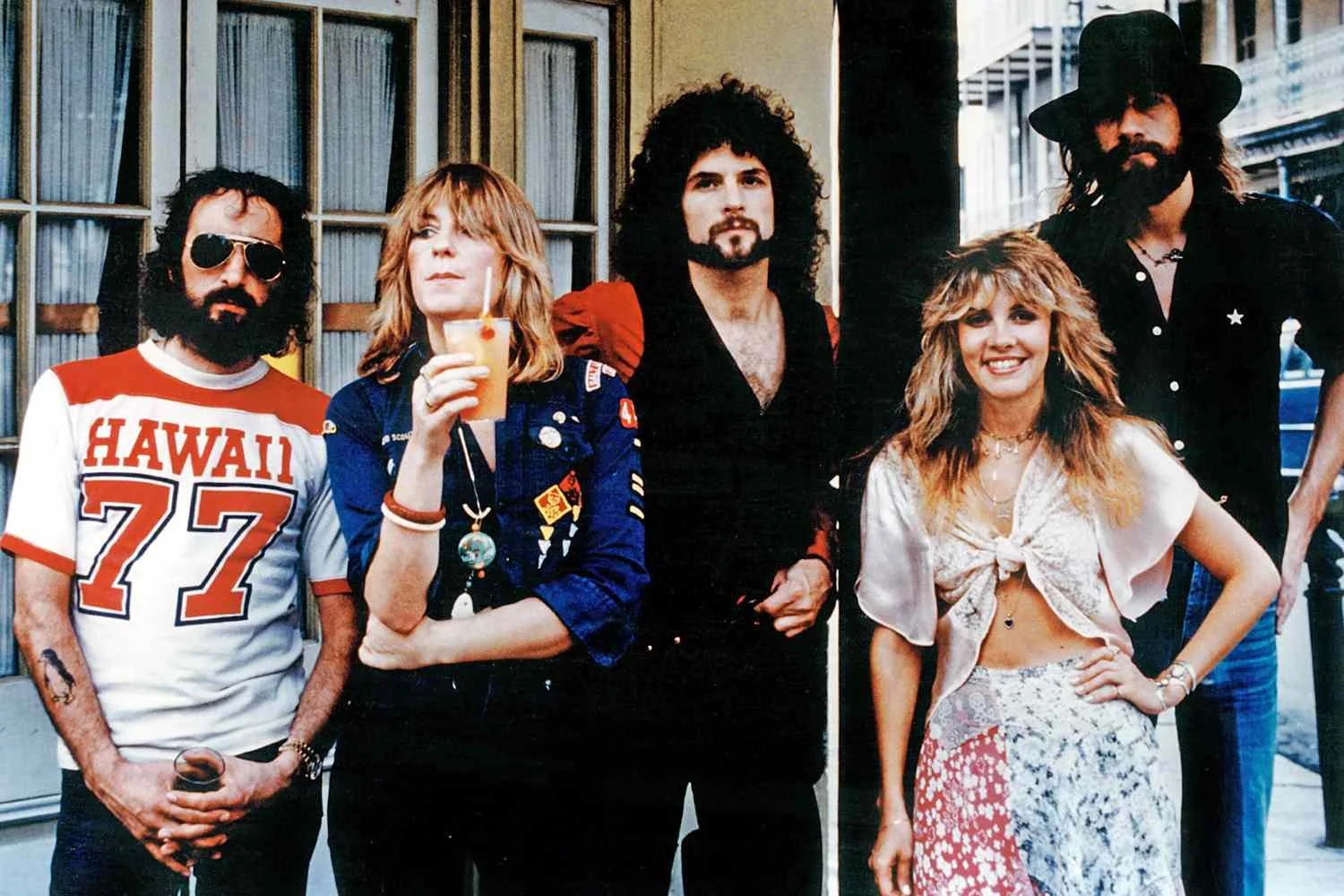
The retail and fashion crackdown. DSW, PacSun, and direct-to-consumer brand Quince are all facing sweeping lawsuits for soundtracking fashion content with Cardi B, Fleetwood Mac and others without clearing the rights. Publishers described Quince's approach as rampant and brazen music theft.
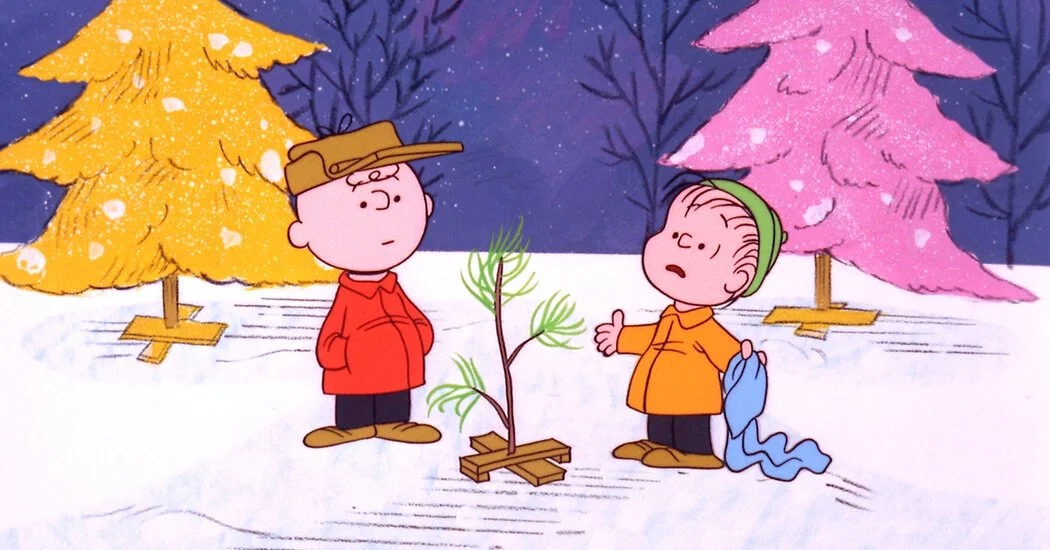
Legacy catalogues are policing the feed too. The estate behind the Peanuts theme, Linus and Lucy, filed federal lawsuits against multiple companies for using the track in simple Facebook and Instagram promotional posts. Nothing is too niche to be protected, it seems.
The influencer blindspot that's killing creative budgets:
There's a misconception doing the rounds in marketing departments right now.
"If the influencer edits the video and posts it on their own page using a trending sound, it’s protected, right?"
Wrong!!
Recent court rulings have established something that should terrify every brand manager. Contributory infringement. If a brand approves, reposts or whitelists an influencer's video containing unlicensed music, the brand inherits full legal liability. One unauthorised track. Statutory damages of up to $150,000 per video.
Culture requires proper protection.
Music is the lifeblood of digital storytelling. It's how brands hold attention, signal taste, and connect with subcultures that actually matter. But treating the trending tab as a free resource is playing Russian roulette with your legal budget.
Moving high-impact campaigns forward requires a deliberate sonic strategy, whether that means clearing iconic underground tracks properly, commissioning bespoke original music, or curating from licensed indie catalogues that already have the paperwork done.
Here at Light On, we’ve legally licensed and cleared music across all platforms to multiple brands (D&G, UEFA, TrenItalia, Apple TV) and are actively engaging with third-party providers to find where our clients’ music is being used illegally.
Brands, pay the artists who soundtrack your products!