When a needle drop changes the film
The Anatomy of an Accident: Music, Meaning, and the Independent Frame
There is a moment in a good film when a song arrives and suddenly changes what you thought you were watching.
It might be a track you already know, or something you've never heard before. Either way, the effect can be disproportionate to its screen time. A character walks down a street. Someone gets into a car. Two people sit across from each other and say very little. Then the music comes in, and the scene means something else.
Independent film has always been particularly good at this.
Partly because of money. Without the budgets for huge orchestras or elaborate scores, filmmakers have often had to look elsewhere. Records, local musicians, old songs, strange songs, songs that were never meant to be in a film at all.
But budget isn't really the point. The best independent films don't use music because they can't afford a traditional score. They use it because a song can do something a conventional score can't.
It can bring a whole history into a scene.
The Needle Drop
The relationship between popular music and cinema goes back a long way, but the rise of independent filmmaking gave it a particular freedom.
Filmmakers working outside the studio system could use music that felt closer to the world their characters actually inhabited. Jazz, punk, folk, electronic music, obscure records pulled from someone's collection. Music could feel lived-in rather than composed specifically to tell you how to feel.
Over time, the needle drop became something more than a way of establishing period or atmosphere. A great song can add information that isn't in the script.
Think about David Bowie's "Heroes" in The Perks of Being a Wallflower. The scene works without the song, but the song changes it completely. Or Nico's "These Days" in The Royal Tenenbaums, where the combination of the song, Margot's expression and Richie watching her tells you more about their relationship than several pages of dialogue could.
That's what good music supervision can do, not just supporting the story but finding another way into it.
There are plenty of other examples. Juno used Kimya Dawson and The Moldy Peaches to create a world that felt handmade and slightly out of step with mainstream Hollywood. 500 Days of Summer used The Smiths as part of the language of its central relationship. More recently, I Saw the TV Glow has shown how carefully chosen music can become part of the film's emotional architecture rather than simply sitting underneath it.
None of these choices feels accidental, although sometimes they are.
What Happens Behind the Scenes
The romantic version of music supervision is someone digging through records at two in the morning and finding the perfect song.
The reality is usually much less glamorous.
Once a song is in a film, somebody has to clear it.
There are two sets of rights to deal with. The publishing, which covers the underlying composition, and the master, which covers the particular recording being used. They may be controlled by different people, companies or estates, sometimes across different territories.
For an independent production, that can become complicated very quickly.
A song that sounds perfect in the edit might turn out to be unaffordable. The rights might not be available worldwide. One writer might have a different publisher from another. A label might control the master while several publishers control the composition.
And the problem doesn't necessarily end when the film is finished. Festival screenings, theatrical distribution, television and streaming can all introduce different requirements.
This is why music supervision isn't just about having good taste.
Taste gets the song into the edit.
Clearance gets the film released.
The best work sits somewhere between the two.
The Light On Approach
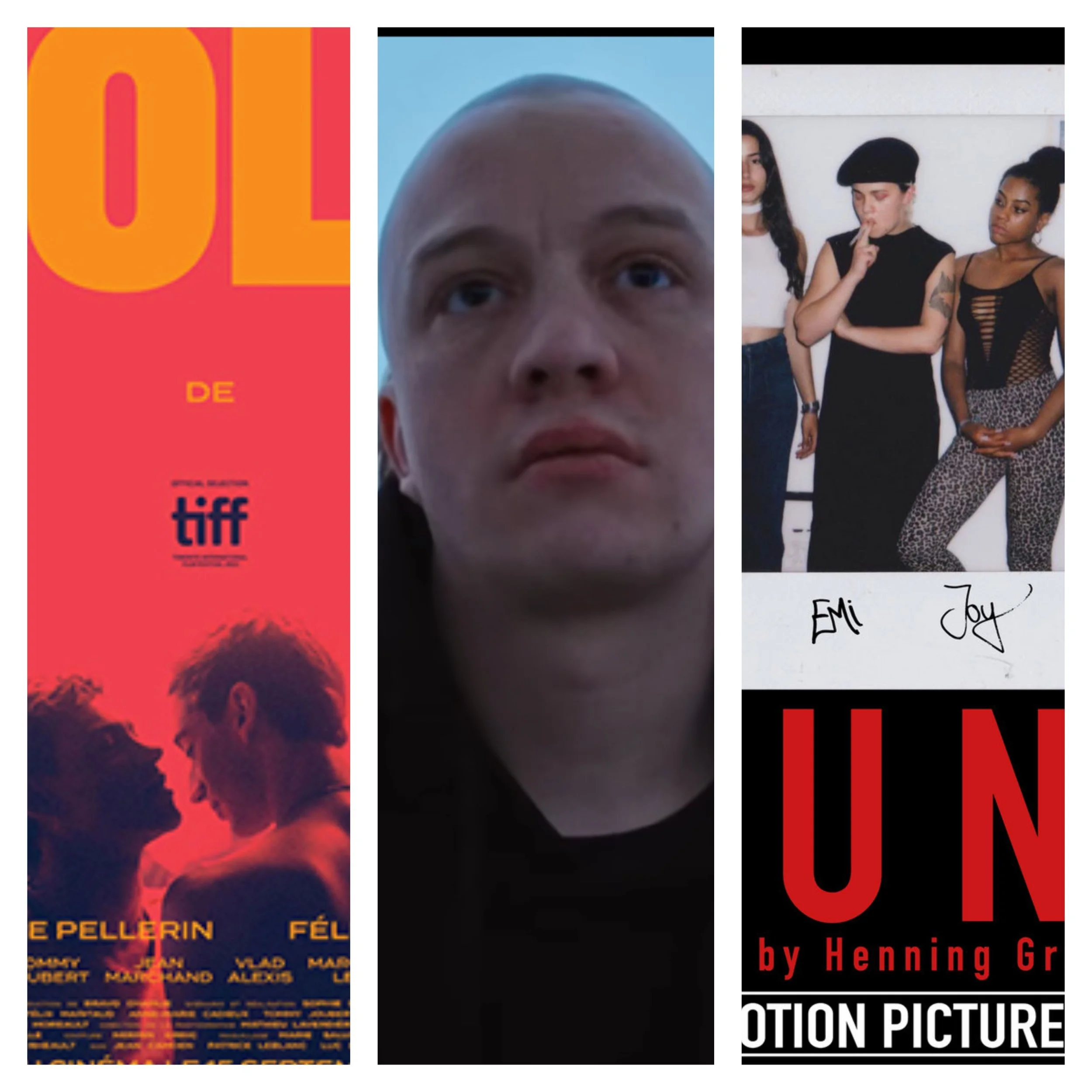
At Light On, we've negotiated and licensed music for films including Henning Gronkowski's “Yung”, Sophie Dupuis' “Solo” and Eeva Mägi and Sten-Johan's “Mo Papa”.
The films are very different from one another, which is exactly what makes the work interesting.
We work across music supervision, licensing and music strategy, so the creative and commercial sides are usually happening at the same time. The question isn't simply "does this song work?" It's also "can we actually use it, who controls it, what will it cost, where can it be used, and will it still work when the film reaches its final audience?"
The best music choices can feel completely natural when you watch the finished film. Almost inevitable.
Getting there usually isn't.
That's what makes a great needle drop so satisfying. When the right song meets the right scene, it doesn't feel like music has been added to the film; it feels like the film was waiting for that song.
Making a movie and want highly curated, compliant clearances? Drop us a line at Enquires@lightonmedia.com